
How to Properly Taste Chocolates: The Art of Savoring Flavor
Share
Tasting chocolates is not the same as eating them. It’s an art that engages all the senses and rewards patience, attention, and curiosity. A true chocolate tasting allows you to appreciate every layer of aroma, texture, and flavor.
At Fortuna Nova, we create handmade chocolates meant to be experienced slowly. Each piece is a story — one that begins the moment you open the box. This guide will help you discover how professionals taste chocolate and how you can turn every bite into a moment of pure awareness.
The Five Senses of Chocolate Tasting
Sight
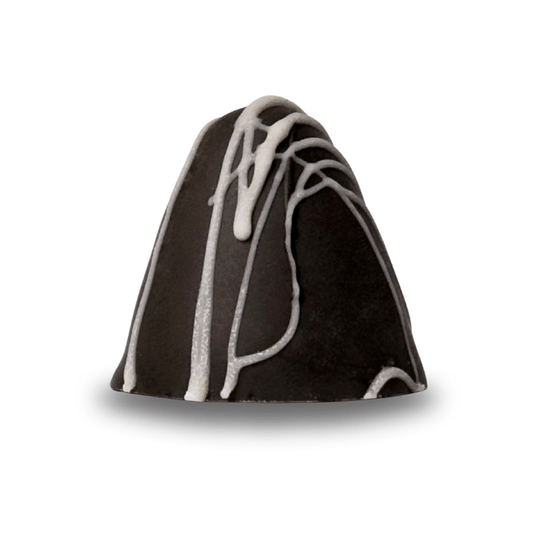
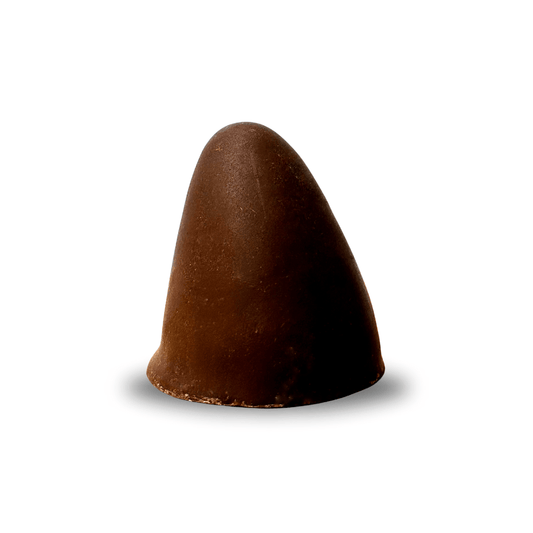
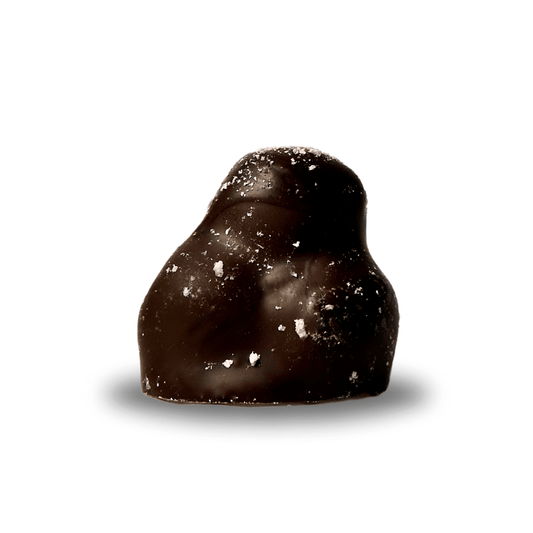
Start with what you see. A well-crafted chocolate should have a smooth, attractive surface with a natural matte sheen — the sign of properly tempered cocoa butter. If the chocolate looks dull or shows a white coating, it may have been stored incorrectly or not tempered properly. Industrial producers often cover imperfections with colored powders or decorative dust, but true artisans, like Fortuna Nova, rely on quality alone.
When you look at our chocolates, you’re seeing the result of precision and craftsmanship — nothing to hide, no artificial gloss.
Smell
Before tasting, bring the chocolate close to your nose. In professional tastings, aroma plays a greater role than flavor itself. Take a slow, deep breath. Try to recognize the natural scent of cocoa and notes of honey, roasted nuts, or caramel — all coming from real ingredients.
If you notice foreign smells such as smoke, plastic, or printer ink, the chocolate has absorbed external odors during packaging or storage. Fortuna Nova uses pure, natural ingredients and neutral packaging materials to preserve the authenticity of aroma and prevent contamination.
A fine chocolate should smell alive, not artificial.
Sound
Break the chocolate gently and listen. A clear, crisp snap indicates proper tempering and a balanced cocoa structure. This sound reflects the discipline and technique behind every handmade batch.
At Fortuna Nova, our chocolates are tempered manually in small portions — this is why the texture stays consistent, the coating remains smooth, and the sound of the snap feels almost musical.
Touch
Hold the chocolate for a moment before tasting. Real cocoa butter reacts to body temperature. It should feel firm but never brittle, softening slowly in your hand. In your mouth, it should melt gradually, revealing new layers of texture — creamy, silky, without graininess.
Each Fortuna Nova chocolate is refined to a smoothness of about 18–22 microns — a sign of professional conching. You shouldn’t feel any roughness, only balance and harmony.
Taste
Now take a small piece and let it rest on your tongue. Don’t rush. Allow the cocoa butter to melt naturally at about 32 °C — the point where flavor blooms. Observe how the chocolate releases its aromas.
First comes the coating: notice the sweetness and the texture. Then comes the filling — the heart of the chocolate. At Fortuna Nova, each filling is crafted from natural ingredients without flavor enhancers, so the taste evolves with time — never overwhelming, always balanced.
After swallowing, exhale gently through your nose. This activates retronasal aroma — the lingering aftertaste that separates ordinary sweets from exceptional chocolate. If the aftertaste is clean, rich, and pleasant, you’ve experienced true quality.
Preparing for a Chocolate Tasting
Tasting chocolate requires a calm setting and a clean palate. Room temperature (20–22 °C) is ideal — cold suppresses aroma, while heat distorts texture.
Before starting, drink a small amount of still water and avoid strong flavors like coffee, wine, or spicy food. If you are tasting several types of chocolates, cleanse your palate between samples with a piece of apple or plain cracker.
Chocolate tasting is a ritual of attention. The goal is not comparison, but understanding — to feel how one chocolate speaks differently from another.
What Professionals Focus On
Professional tasters describe chocolate in terms of balance, depth, and journey. Balance means that sweetness, bitterness, and acidity are in harmony. Depth is the evolution of flavor as it melts — how it begins, grows, and fades. The journey is the emotional impression that remains after you finish.
Fortuna Nova chocolates are designed with these principles in mind. Each piece has its own character — from the gentle “Strila” with its creamy vanilla filling and touch of cognac, to the bold “Zoryani” with honey-caramelized hazelnuts, to the refined “Dubai Fortune” with its blend of white and dark chocolate over pistachio and sesame.
A proper tasting helps you appreciate these differences, the way one might appreciate notes in music or shades in painting.
Mistakes to Avoid
Do not taste chocolates straight from the refrigerator — cold dulls the aroma and stiffens the cocoa butter. Do not eat too quickly — chewing breaks the structure and hides the subtleties of flavor. And never start with the strongest flavors — always begin with lighter profiles before moving to more intense ones.
Most importantly, don’t multitask while tasting. The experience should have your full attention. Chocolate reveals itself only to those who slow down.
The Meaning of Tasting
Learning how to taste chocolate properly changes the way you perceive sweetness. You begin to notice the difference between real and artificial, between flavor and aroma, between effort and imitation.
At Fortuna Nova, we believe that chocolate is not a product but a craft — one that deserves respect from both maker and taster. When you taste slowly, you honor the people who created it and the ingredients that nature provided.
Conclusion
Chocolate tasting is an invitation to mindfulness — a pause in a busy day, a connection between craftsmanship and the senses. Whether you’re discovering handmade chocolates for the first time or have long admired them, every piece of Fortuna Nova tells a story worth listening to.
Let it melt. Let it speak. And remember — the true taste of chocolate begins only when you stop rushing.
Experience the art of handmade tasting. Order Fortuna Nova natural chocolates today and discover how real chocolate should look, smell, and taste.